If your car feels sluggish when accelerating but there is no check engine light, you are not alone. Many drivers experience poor throttle response, delayed acceleration, or a general feeling that the vehicle lacks power, even though the dashboard shows no warning signs. This can be frustrating because the car appears normal but does not perform the way it should.
Sluggish acceleration is often caused by gradual wear or maintenance-related issues that do not immediately trigger a fault code. Understanding what is happening beneath the hood can help you address the problem before it turns into a larger and more expensive repair.
What Does Sluggish Acceleration Really Mean
Sluggish acceleration refers to a delay or lack of responsiveness when pressing the gas pedal. The engine may rev higher than usual, struggle to gain speed, or feel heavy while driving. This issue can occur during city driving, highway merging, or when climbing hills. Because it often develops slowly, many drivers adapt to it without realizing something is wrong.
Car Feels Sluggish When Accelerating but No Check Engine Light
A check engine light usually turns on when the engine computer detects a fault outside normal operating limits. Many causes of sluggish acceleration do not cross that threshold. Components may still function but not efficiently, resulting in reduced performance without triggering a warning light. This is why a vehicle can feel weak while still appearing mechanically fine.
Why Sluggish Acceleration Often Goes Unnoticed by Warning Systems
Modern vehicles rely on sensors to detect failures, not gradual efficiency loss. Dirty components, restricted airflow, or aging fluids reduce performance slowly. Since the system still operates within acceptable ranges, the engine computer does not always flag a problem. This is common in vehicles with high mileage or inconsistent maintenance history.
Dirty Air Intake and Restricted Airflow
Engines require a precise balance of air and fuel. A clogged air filter or dirty intake system restricts airflow, making combustion less efficient. When the engine cannot breathe properly, acceleration feels weak, especially during sudden throttle input or highway driving.
Fuel Delivery Issues That Reduce Acceleration
Fuel system components such as injectors and fuel filters can become partially restricted over time. This reduces fuel flow under load, leading to hesitation or sluggish response. Because fuel delivery problems can be subtle, they often do not trigger warning lights until the issue becomes severe.
Throttle Body and Throttle Response Problems
The throttle body controls how much air enters the engine. Carbon buildup around the throttle plate can cause delayed or uneven airflow. This results in poor throttle response and sluggish acceleration, particularly when starting from a stop or accelerating at lower speeds.
Transmission-Related Causes of Sluggish Acceleration
Transmission issues are often mistaken for engine problems. Low or degraded transmission fluid can cause delayed gear engagement or slow downshifts. When the transmission does not respond correctly, the vehicle feels underpowered even though the engine is running normally.
Old or Incorrect Engine Oil Affecting Performance
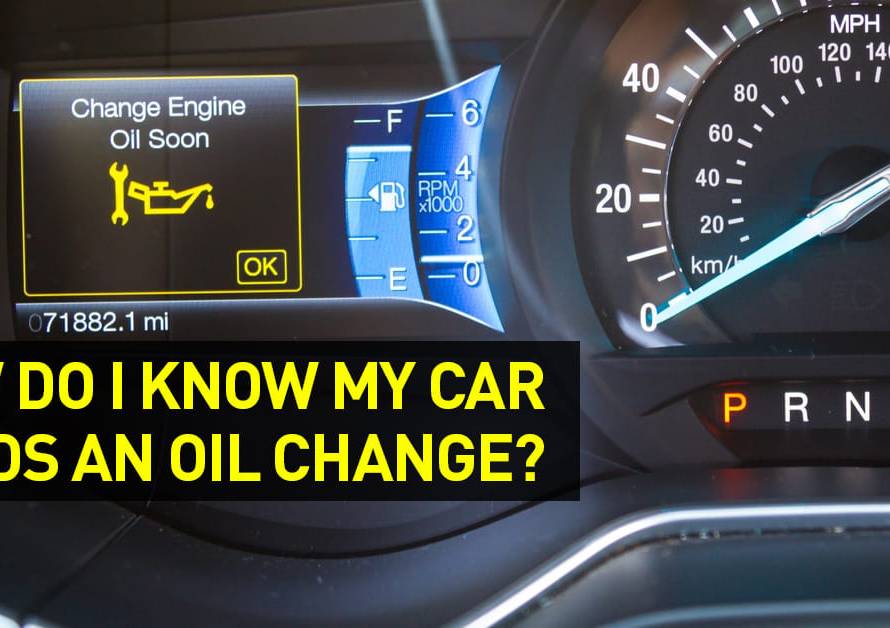
Engine oil plays a key role in reducing friction. Old, contaminated, or incorrect oil can increase internal resistance. This makes the engine work harder and respond slower during acceleration. Vehicles driven in stop-and-go traffic or extreme temperatures are more prone to this issue.
Brake Drag and Rolling Resistance Issues
A vehicle that feels sluggish may actually be fighting resistance rather than lacking power. Sticking brake calipers or uneven brake wear can cause constant drag. This reduces acceleration efficiency and fuel economy without producing any dashboard warnings.
Sensors That Affect Performance Without Triggering a Warning Light
Some sensors, such as the mass airflow sensor or throttle position sensor, can send inaccurate data without fully failing. When this happens, the engine control unit adjusts performance incorrectly, resulting in sluggish acceleration while still staying within normal parameters.
Why the Car Feels Sluggish at Highway Speeds vs City Driving
At highway speeds, reduced power becomes more noticeable because the engine requires more load to maintain speed. Issues such as airflow restriction or fuel delivery problems often feel worse when merging or overtaking compared to low-speed city driving.
Sluggish Acceleration During Cold Starts or Winter Driving
Cold temperatures affect fuel vaporization, engine oil thickness, and sensor response. In Canadian winters, these factors can amplify existing issues, making sluggish acceleration more noticeable until the engine reaches operating temperature.
How Technicians Diagnose Sluggish Acceleration Issues
Professional diagnosis involves more than scanning for codes. Technicians inspect airflow systems, fuel delivery, fluid condition, braking components, and sensor data in real-world driving conditions. This thorough approach identifies the root cause instead of masking symptoms.
When Sluggish Acceleration Becomes a Safety Concern
Poor acceleration can be dangerous when merging onto highways or crossing intersections. If the vehicle struggles to respond when power is needed quickly, it is a sign that the issue should be addressed immediately.
How to Fix and Prevent Sluggish Acceleration
Regular maintenance is the best defense against sluggish performance. Timely oil changes, air filter replacements, brake inspections, and fluid checks help keep the vehicle responsive. Addressing early symptoms prevents long-term damage and restores driving confidence.
Book a Performance Inspection at Urban Lube
If your car feels sluggish when accelerating and there’s no check engine light, don’t ignore the signs. Get a professional Car Inspection in Calgary from experienced technicians who know how to diagnose performance issues beyond basic warning lights.
As a trusted Auto Repair Shop in Calgary, Urban Lube offers thorough inspections, engine performance checks, and manufacturer-recommended maintenance to restore smooth acceleration. When required, we also provide advanced Check Engine Light Diagnostics in Calgary to uncover hidden issues affecting your vehicle’s performance.
Book your inspection today and drive with confidence knowing your car is performing the way it should.